
Risk Management
The risk of not conducting assessments can be significant, as it leaves an organization or individual ill-prepared to address potential security weaknesses and threats.
Unidentified Weaknesses: Without regular assessments, organizations may remain unaware of vulnerabilities in their systems, infrastructure, or processes, leaving them open to exploitation by malicious actors.
Security Breaches: Vulnerabilities that go unaddressed can be exploited by cybercriminals, leading to data breaches, financial losses, and damage to an organization's reputation.
Financial Loss: Security breaches can result in substantial financial losses, including legal costs, regulatory fines, and expenses related to recovering from an attack.
Reputation Damage: A security incident stemming from unaddressed vulnerabilities can harm an organization's reputation, eroding trust among customers, partners, and stakeholders.
Legal and Regulatory Consequences: Failure to assess vulnerabilities and protect sensitive data can lead to non-compliance with data protection laws and regulations, resulting in legal actions and fines.
Operational Disruption: Vulnerabilities in critical systems or infrastructure can lead to operational disruptions, impacting productivity and causing downtime.
Loss of Customer Trust: Customers may lose trust in an organization that doesn't prioritize security, potentially leading to a loss of business.
Data Loss: Unidentified vulnerabilities can result in data loss, which may be irrecoverable, causing both financial and reputational damage.
Insider Threats: Assessments also help identify potential vulnerabilities caused by internal actors, such as employees or contractors with malicious intent.
Inadequate Disaster Preparedness: Assessments can uncover weaknesses in disaster preparedness, which can be crucial for business continuity during natural disasters or other emergencies.
Missed Compliance Requirements: Failure to identify vulnerabilities can lead to non-compliance with industry-specific regulations or security standards, affecting the organization's ability to operate in certain sectors.
Increased Response Costs: Without vulnerability assessments, an organization may need to allocate more resources for incident response and recovery after a security breach.
Opportunity Costs: Resources spent on dealing with the consequences of security incidents could have been better utilized for growth and development.

Threats change over time. Is your security changing with it?
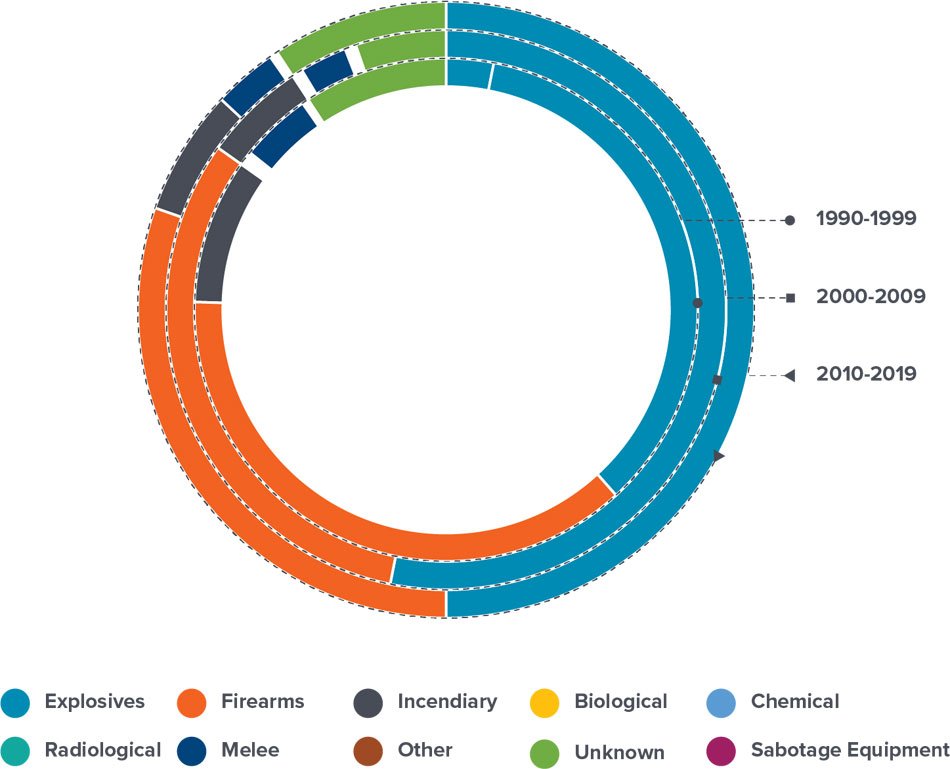

Understanding the Threat
While the number of terrorism events is generally decreasing, there has been a severe increase in particular types of events. Man-made threats to commercial targets and critical infrastructure have increased exponentially, resulting in a surge in demand to protect assets from bad actors.
Understanding your exposure to physical security risks is an essential part of reducing your vulnerability to a variety of threats, including sabotage, terrorism and theft.
NORTH STAR can provide Vulnerability Assessments, Physical Security Reports, Composite Risk Management and Force Protection Assessments from some of the best people in the field.
Call us for more information
(888) 575-9789
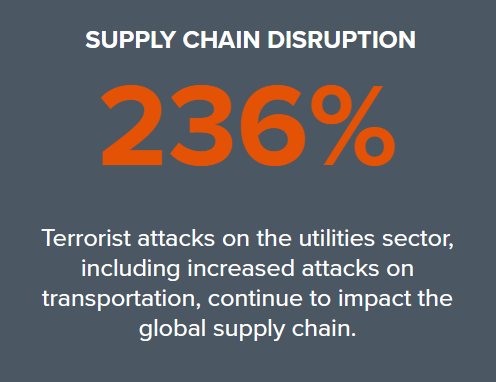
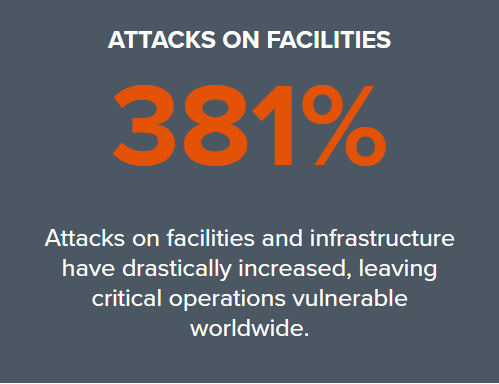
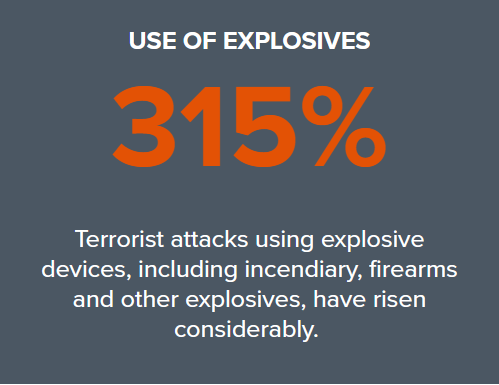
Source: Global Terrorism Database
Data: All percentage increases shown are between the decades 2000-2009 and 2010-2019